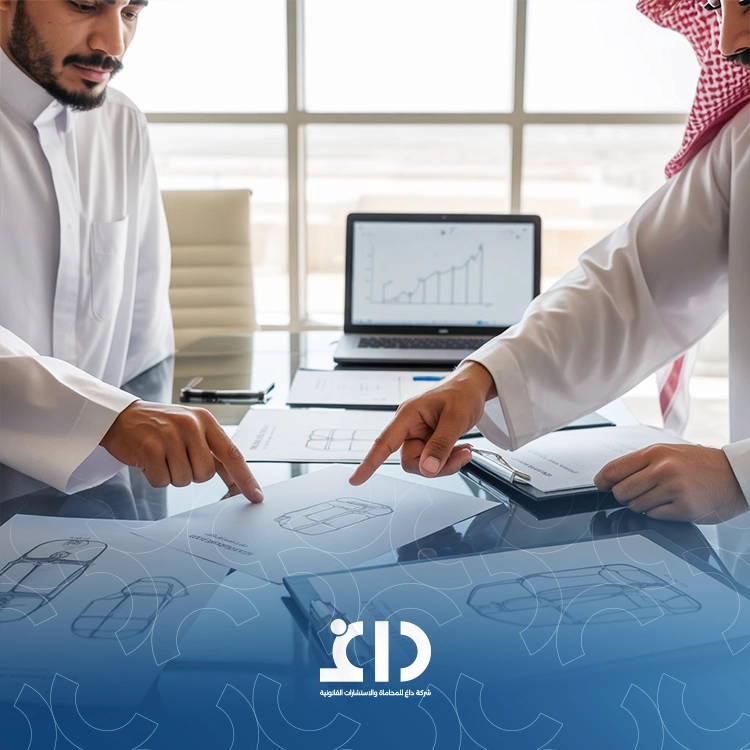
As Saudi Arabia continues its transition toward a knowledge-based economy, industrial design has emerged as a valuable intangible asset with both legal and commercial significance. With the Kingdom’s ongoing efforts to strengthen its intellectual property framework, designers and business owners now have greater opportunities to transform their creative designs into protected commercial assets. This protection not only safeguards innovation but also creates new avenues for investment and business growth. In this article, we explore how industrial designs can be legally protected and commercially leveraged in Saudi Arabia.
What Is an Industrial Design and How Does It Differ from Industrial Models?
An industrial design refers to the visual appearance of a product, including its shape, patterns, lines, colors, or arrangement of elements. Unlike industrial models, which may focus on technical or functional aspects, industrial designs primarily protect the aesthetic features of a product—how it looks rather than how it works.
The distinctive visual identity created through industrial design often plays a critical role in attracting consumers and differentiating products in competitive markets.
From Design to Protection: How Does an Industrial Design Become a Legal Asset in Saudi Arabia?
An industrial design becomes a protected commercial asset once it is officially registered with the Saudi Authority for Intellectual Property (SAIP). Registration grants the owner exclusive rights to use the design and prevents unauthorized copying, imitation, or commercial exploitation by third parties.
As a result, the design acquires legal and economic value and can be treated as a business asset similar to trademarks and patents. Registered industrial designs may be licensed, assigned, sold, or otherwise commercialized to generate revenue and strengthen a company’s intellectual property portfolio.
Legal Requirements for Registering an Industrial Design as a Protected Commercial Asset
To qualify for legal protection in Saudi Arabia, an industrial design must satisfy several key requirements:
Novelty
The design must be new and must not have been publicly disclosed, published, or used before the filing date.
Distinctiveness
The design should demonstrate a degree of originality and visual distinction from existing designs.
Clarity
The design must be capable of clear identification and description to allow effective legal protection.
Non-Functional Nature
The design should not consist solely of functional or technical features without any aesthetic element.
Meeting these requirements is essential for obtaining and maintaining legal protection.
Steps to Protect an Industrial Design Through the Saudi Authority for Intellectual Property (SAIP)
The registration process generally includes the following steps:
1. Create an Account on the SAIP Platform
Applicants must first register through SAIP’s electronic services portal.
2. Submit an Application
The application should include a detailed description of the design along with photographs, drawings, or visual representations.
3. Pay the Applicable Fees
All prescribed registration and examination fees must be paid.
4. Examination by SAIP
The authority reviews the application to ensure compliance with legal and procedural requirements.
5. Registration and Certificate Issuance
Upon approval, a registration certificate is issued, and the design receives protection for ten years, subject to applicable renewal provisions under Saudi regulations.
Common Mistakes to Avoid When Registering an Industrial Design
Several mistakes can jeopardize the effectiveness of industrial design protection, including:
- Publicly disclosing the design before filing the registration application.
- Submitting unclear or low-quality drawings and images.
- Failing to provide accurate descriptions that meet legal requirements.
- Assuming that registering a company, product, or trademark automatically protects the industrial design.
Avoiding these errors can significantly improve the likelihood of successful registration and enforceability.
Can an Industrial Design Be Assigned or Licensed Commercially?
Yes. A registered industrial design is considered a movable intellectual property asset with economic value. The owner may transfer ownership through assignment, grant licenses to third parties, or otherwise exploit the design commercially through contractual arrangements.
For these transactions to be enforceable against third parties, ownership transfers and licensing agreements should be properly recorded with the Saudi Authority for Intellectual Property in accordance with applicable regulations.
Conclusion
Industrial design plays a vital role in product differentiation, brand identity, and commercial success. Transforming a design into a protected commercial asset provides creators and businesses with valuable legal rights and investment opportunities. Registering industrial designs at an early stage helps safeguard innovation, strengthen market competitiveness, and maximize the commercial value of creative work.
If you are looking to protect your industrial design in Saudi Arabia, seeking professional legal guidance can help ensure compliance with applicable regulations and secure the strongest possible protection for your intellectual property rights.